The Z30 was the first car in the world with a factory CD-ROM GPS navigation system. The EMV multi-function touchscreen interfaced with climate control and trip data, making the Z30 one of the most electronically dense Japanese cars of the early 1990s — and now one of the most prone to age-related electronic failure. JZZ30 1JZ-GTE cars are the enthusiast sweet spot: they share major drivetrain DNA with the JZA80 Supra and the parts ecosystem is enormous. UZS131 V8 cars (1UZ-FE 4.0L) are the smooth-cruise option; UZZ31 air-suspension and UZZ32 active-suspension variants raise ownership cost meaningfully. The 9-year production run with minimal exterior change reflects Toyota's confidence in the original design.
Buyer's guide
Toyota Soarer Z30 — Buyer's Guide & Specs
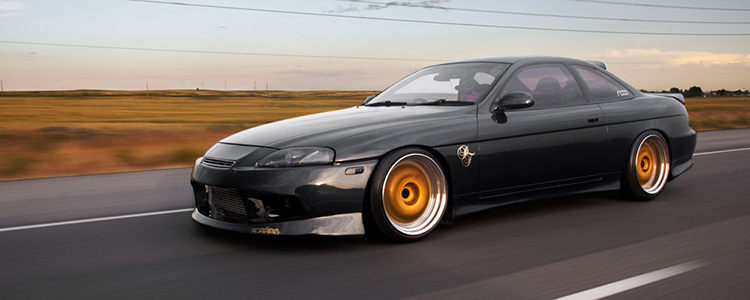
The third-generation Soarer (Z30, 1991–2000) is the generation most enthusiasts mean when they say 'Soarer.' Launched in May 1991 alongside the export-market Lexus SC300 and SC400, the Z30 shares its body, suspension, and chassis with the Lexus — but JDM buyers also got the JZZ30 with the 1JZ-GTE twin-turbo (JDM-rated 280 PS) and the UZS131 4.0 V8 in trim packages that never reached North America.
Looking to buy?
Browse Toyota Soarer listings →
Key Takeaways
The Soarer had four generations across 24 years, and each one is a different car to live with. The Z10 is the 1981 original luxury coupe. The Z20 brought the first turbo Soarers. The Z30 is the one most people mean when they say Soarer, with the 1JZ-GTE and 2JZ-GTE and the V8. The Z40 became the Lexus SC430 in 2005 and ended the Soarer name.
- JZZ30 1JZ-GTE is the enthusiast sweet spot
- UZZ31/32 V8 is smooth, rarer, and rising
- Z30 electronics can be the biggest ownership risk
- Original, unmodified cars command the premium
- Manual swaps add fun but may hurt collector value
- Import timing boosts demand as cars hit 25-year rule
Technical Specifications
The Soarer ran inline sixes and V8s, never a four cylinder. The Z10 and Z20 used the 1G and 5M and 7M families. The Z30 brought the 1JZ-GTE twin turbo and the 2JZ-GE and the 1UZ-FE V8. The Z40 got the 3UZ-FE 4.3 liter V8. Gearboxes were a mix of 5-speed manuals on the turbo trims and 4-speed and 5-speed automatics on most of the luxury cars.
Engine Options
| Engine | Displacement | Power | Boost | Notes |
|---|---|---|---|---|
| 1JZ-GE | 2.5L | estimated: ~180-200hp @ ~6000rpm | N/A | NA 2.5; early trims; exact JIS varies |
| 1JZ-GTE | 2.5L | 280PS (276hp) @ 6200rpm | estimated: ~11-12 psi | JDM 'gentlemen' cap; twin turbo |
Transmission Options
| Type | Ratios | Availability | Notes |
|---|---|---|---|
| 5-speed Manual (R154 family) | 3.251/1.955/1.310/1.000/0.753 | Z20/Z30 turbo trims (market/yr) | Common JZ turbo 5MT; clutch-type |
| 5-speed Manual (W-series, early) | estimated: varies by W55/W58 | Z10/Z20 NA trims (select) | Exact ratios depend on W55/W58 variant |
| 4-speed Automatic (A340E family) | 2.804/1.531/1.000/0.705 | Z20/Z30 most trims | Electronically controlled; lock-up |
| 4-speed Automatic (A43D/A44D family) | estimated: varies by unit | Z10 early trims | Early 80s 4AT; ratios vary by model year |
| 5-speed Automatic (A650E) | 3.357/2.180/1.424/1.000/0.753 | Z40 430SCV | 5AT with lock-up; V8 application |
Livability
- Headroom
- 37.0"
- Low roofline; sunroof cars lose ~1"
- Rear Seats
- Tight 2+2
- Adults fit short trips; legroom limited
- Cargo
- 9.5 cu ft
- Trunk usable; opening small; rear seats not flat
Variants & Trims
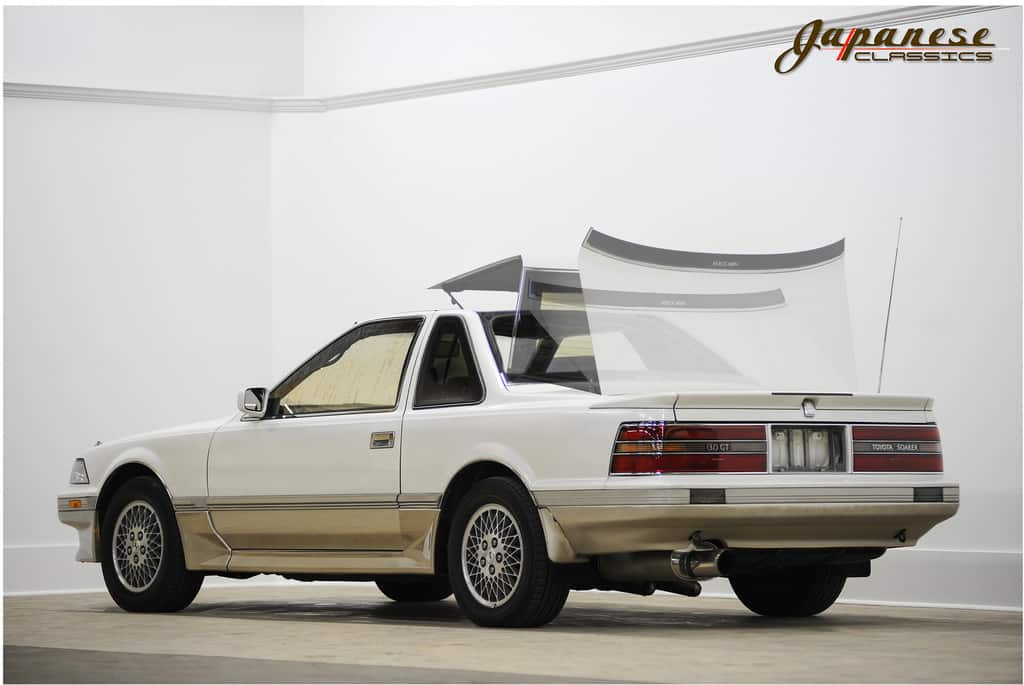
Soarer trims are mostly about features and engine, not body style. The exception is the Aerocabin, a JDM-only Z20 with a motorized retractable hardtop that Toyota built just 500 of in 1989. The 1JZ-GTE Twin Turbo and Twin Turbo L are the enthusiast Z30 trims. The 4.0GT and 4.0GT Limited are the V8 luxury cars. The Z40 only came as the 430SCV with the V8 and retractable hardtop.
| Generation | Trim | Engine | Key Features |
|---|---|---|---|
| Z30 (3rd gen, 1991-2000) | 2.5GT Twin Turbo (JZZ30) | 1JZ-GTE 2.5 I6 TT | Twin turbo, RWD, sport seats (spec), 5MT/4AT |
| Z30 (3rd gen, 1991-2000) | 2.5GT Twin Turbo L (JZZ30) | 1JZ-GTE 2.5 I6 TT | Luxury equip, twin turbo, leather (spec), 4AT |
| Z30 (3rd gen, 1991-2000) | 2.5GT-T (JZZ30) | 1JZ-GTE 2.5 I6 TT | Later model naming, twin turbo, RWD, 4AT/5MT |
| Z30 (3rd gen, 1991-2000) | 2.5GT-T L (JZZ30) | 1JZ-GTE 2.5 I6 TT | Later luxury, twin turbo, traction (spec), 4AT |
| Z30 (3rd gen, 1991-2000) | 2.5GT (JZZ30) | 1JZ-GE 2.5 I6 NA | NA 2.5, RWD, luxury sport, 4AT/5MT (early) |
| Z30 (3rd gen, 1991-2000) | 3.0GT (JZZ31) | 2JZ-GE 3.0 I6 NA | NA 3.0, higher torque, RWD, 4AT |
| Z30 (3rd gen, 1991-2000) | 4.0GT (UZS131) | 1UZ-FE 4.0 V8 NA | V8, premium luxury, traction (spec), 4AT |
| Z30 (3rd gen, 1991-2000) | 4.0GT Limited (UZS131) | 1UZ-FE 4.0 V8 NA | Top luxury, leather, premium audio, 4AT |
| Z30 (3rd gen, 1991-2000) | 4.0GT-L (UZS131) | 1UZ-FE 4.0 V8 NA | Later naming, luxury focus, traction (spec), 4AT |
| Z30 (3rd gen, 1991-2000) | AEROCABIN (UZS131) | 1UZ-FE 4.0 V8 NA | Motorized glass canopy, rare, luxury, 4AT |
Should You Buy a Toyota Soarer Z30?
What the Soarer gives you and what it asks back from you have stayed pretty consistent across the run. Toyota built it as a luxury GT first and a sports coupe second, so the strengths and weaknesses line up with that brief.
Why You'll Love It
- JZ drivetrain upside 1JZ/2JZ family support is massive; strong tuning headroom and parts ecosystem.
- True GT comfort Quiet cabin, long gearing, and stable chassis make it a real highway grand tourer.
- Spec variety Turbo I6, NA I6, and V8 trims let buyers choose tuner, cruiser, or collector angle.
- Strong value vs Supra Often cheaper than A80 Supra for similar JZ fundamentals, especially in stock form.
- Rarity in clean form Unmodified, low-rust, working-electronics cars are scarce; premiums are durable.
- V8 smoothness (1UZ/3UZ) UZZ cars deliver refined torque and reliability when maintained; great daily classic.
Why You Might Not
- Electronics complexity (Z30) EMV screens, climate, and modules can fail; diagnosis is time-consuming and costly.
- Aging rubber & bushings Suspension arms, subframe bushings, and mounts often need full refresh for best feel.
- Modified-car risk Many were drift/tuned; wiring, boost control, and cut corners can create nightmares.
- Auto-heavy market Factory manuals are rare; swaps help driving but can reduce collector desirability.
- Rust & import wear Underbody corrosion, coastal storage, and auction-grade cosmetics can hide issues.
- Parts for trim tech Interior/EMV-specific parts are harder than mechanicals; sourcing can delay repairs.
Who Should NOT Buy This
- Anyone needing modern crash safety and airbags
- Drivers over 6'2" (worse with sunroof)
- People without a JDM-capable diagnostic shop nearby
- Anyone who can't DIY basic maintenance and wiring
- Buyers expecting cheap, quick parts availability
- Owners needing perfect A/C and daily comfort
- Those who hate chasing old-car electrical gremlins
- Anyone in strict emissions states without a plan
- People wanting great fuel economy in city driving
- Buyers who can't budget $2k-5k for baseline service
- Anyone wanting a quiet cabin (wind/road noise)
- People who won't tolerate 30-year-old rubber wear
- Those expecting zero leaks from engine/trans/PS
- Anyone who can't store it indoors (rust risk)
- Buyers wanting plug-and-play stereo/nav upgrades
- People who need real rear seats for adults/kids
- Anyone who won't verify import docs and mileage
- Those expecting modern traction/stability control
Common Issues & Solutions
The Soarer is a reliable car mechanically. Most of the trouble comes from age and electronics, not the drivetrain. The 1JZ-GTE and 2JZ-GTE engines are bulletproof if you keep up with oil changes and the timing belt. What goes wrong on a Soarer is usually the digital dash, the window regulators, the climate control screen, or weather stripping that's gone hard with time.
| Issue | Cause | Solution | Est. Cost |
|---|---|---|---|
| Rear arch & sill rust | Moisture traps, poor repairs, salted storage | Cut/weld proper metal; treat cavities; repaint | $1500-6000 |
| Trunk water leaks | Tail light seals, trunk gasket, antenna grommet | Reseal lights/gasket; clear drains; rust treat | $150-800 |
| Overheating in traffic | Old radiator, weak fan clutch, clogged condenser | New radiator, fan clutch, hoses, proper bleed | $450-1200 |
| Heater core leak | Age corrosion; old coolant; electrolysis | Replace heater core; flush system; new hoses | $900-1800 |
| Valve cover gasket leaks | Hardened gaskets; PCV restriction | Replace gaskets & grommets; service PCV | $250-700 |
| Cam/crank seal oil leaks | Aged seals; belt service skipped; crank wobble | Replace seals during timing service; inspect pulley | $700-1600 |
| Timing belt overdue (2JZ/1UZ) | Neglected maintenance; unknown import history | Timing kit + water pump + idlers + seals | $900-2200 |
| Idle hunting/stalling | Dirty throttle/IAC; vacuum leaks; tired TPS | Clean throttle/IAC; smoke test; adjust/replace TPS | $150-600 |
| Fuel injector seal leaks | Hardened O-rings/insulators; ethanol exposure | Replace seals/insulators; inspect injectors/rail | $250-700 |
| Fuel pump weak/noisy | Age, varnish, low tank running, clogged sock | Replace pump/sock; clean tank; new filter | $250-650 |
| 1JZ turbo smoke | Worn turbo seals/bearings; poor oiling; heat | Rebuild/replace turbos; verify oil feed/return | $900-2500 |
| 1JZ boost creep/spike | Sticky wastegate, cracked lines, wrong boost control | Fix lines; service actuators; proper controller/tune | $150-900 |
| 1JZ misfire under boost | Weak coils/igniter, wrong plugs, boost leaks | Coils/igniter test; correct plugs; pressure test | $200-1200 |
| ECU capacitor leakage | Aging electrolytic caps on 90s Toyota ECUs | ECU recap/repair; clean corrosion; verify traces | $250-900 |
| A340/A341 shift flare | Worn clutches, tired solenoids, old ATF, heat | Service/flush; solenoids; rebuild if slipping | $250-3500 |
| Torque converter shudder | Lockup clutch wear; contaminated ATF | ATF service; add cooler; replace converter if needed | $300-1800 |
| Diff whine/leaks | Old oil, worn bearings, pinion seal hardening | Reseal; refill; rebuild if noisy | $200-1800 |
| Driveshaft vibration | Worn center bearing/U-joints; bent shaft | Replace CSB/U-joints; balance or replace shaft | $250-900 |
| Front ball joint failure | Age, torn boots, lowered suspension stress | Replace joints; align; inspect arms | $300-900 |
| Control arm bushing wear | Rubber aging; oil contamination; heavy chassis | Replace bushings/arms; avoid cheap poly for street | $600-2000 |
| Steering rack leaks | Seal wear; contaminated fluid; torn boots | Rebuild/replace rack; flush PS system | $700-1600 |
| PS pump whine/leak | Worn pump; aerated fluid; return hose seep | Replace pump/hoses; flush; correct fluid | $250-900 |
| Brake caliper sticking | Corroded slide pins; torn boots; old fluid | Rebuild/replace calipers; new fluid; new hoses | $300-1200 |
| ABS light/sensor faults | Wheel speed sensor wiring age; dirty tone rings | Clean rings; repair wiring; replace sensor | $150-700 |
| A/C weak or inop | R134a conversion issues, leaks, tired compressor | Leak test; replace drier/O-rings; compressor if noisy | $300-1800 |
| Climate servo clicking | Mode door actuator gear wear | Replace actuator; recalibrate; inspect doors | $200-700 |
| Digital cluster failure | Capacitors, solder cracks, backlight inverter aging | Cluster rebuild/recap; repair solder joints | $250-900 |
| Window regulator slow | Dry tracks, worn motors, tired switches | Clean/lube tracks; rebuild regulator; replace motor | $150-600 |
| Door lock actuator failure | Motor wear; dried grease; age | Replace actuator or rebuild motor; lube mechanisms | $120-450 |
| Sunroof drain overflow | Clogged drains; cracked drain tubes | Clear drains; replace tubes; dry and treat mold | $100-600 |
| Seat motor/memory faults | Worn switches, broken gears, cracked solder | Repair switches; rebuild motor/gear; check grounds | $150-900 |
| TRC throttle issues | TRC motor/actuator wear; dirty throttle body | Clean throttle; diagnose TRC; repair actuator | $200-1200 |
| Vacuum line brittleness | Heat cycles; oil vapor; age | Replace all vacuum hoses; verify routing | $50-300 |
| Exhaust manifold cracks | Heat cycling; aftermarket thin-wall parts | Replace manifold; use quality gaskets/hardware | $300-1500 |
| O2 sensor aging | High km; rich running; exhaust leaks | Replace sensors; fix leaks; verify AFR | $200-700 |
Differences between JDM & USDM
The Z30 Soarer (1991–2000) shares its body shell, suspension, and platform with the export-market Lexus SC300 (2JZ-GE) and SC400 (1UZ-FE) — same car, different badge. What JDM Soarer buyers got that US SC buyers did not: the 1JZ-GTE twin-turbo (JZZ30) and 2.5GT-T trims, factory CD-ROM GPS navigation, the EMV touch-screen multi-function display, JDM-specific climate-control modules, the Aerocabin retractable-roof body variant (1989, 500 units, Z20 chassis), and trim levels with JDM-only interior packages. The Z40 followed the same pattern: the 430SCV sold in Japan from 2001 until July 2005 was identical mechanically to the Lexus SC430 sold in the US — Toyota then ended the Soarer name and replaced the JDM 430SCV with the Lexus SC430 in Japan. For US importers, the practical implication: JZZ30 1JZ-GTE cars and 1989 Aerocabins are the trims that justify import; for a 2JZ-GE NA or 1UZ-FE V8 car, the LHD Lexus SC300/SC400 is the lower-friction route to the same drivetrain and chassis.
Pre-Purchase Inspection Checklist
Walk this list with the seller, not in front of them. The Critical items mean walking away if there's no paperwork backing them up. The High items can usually be priced into the deal. On a Z30 spend extra time on the EMV touchscreen and the digital cluster, because those are the most expensive things to fix.
Critical Priority
- Import/Title Verify VIN/chassis matches title & auction sheet
- Import Legality Confirm 25-year eligibility & customs entry docs
- Front frame rails Check for kinks/waves from curb/accident hits
- Engine ID Confirm 1G-FE/1JZ-GTE/2JZ-GE/1UZ-FE matches docs
- Cold start Start cold; listen for knock, chain rattle, lifter tick
- Cooling system Confirm fan clutch works; no overheating in traffic
- Compression test Perform compression/leakdown; compare cylinders
- Timing belt history Verify belt/water pump date; inspect stickers/receipts
- Fuel system leaks Smell for fuel; inspect rail/lines; check injector seals
- Auto trans (A340/A341) Check flare/harsh shifts; fluid color; lockup function
- Test drive Full warm drive; watch temp gauge; boost/shift behavior
High Priority
- Rust: Rear arches Check inner lip rust/bubbling under paint
- Rust: Sills/rockers Inspect pinch welds; look for fresh undercoat
- Rust: Floor pans Lift carpets; check wetness, patches, seam rust
- Rust: Trunk well Check spare tire well for water/rust/repairs
- Rust: Strut towers Inspect front/rear towers for cracks or rust
- Radiator support Look for wrinkling, non-OE spot welds, repaint
- Suspension bushings Pry-check arms; look for split rubber, clunks
- Ball joints Check play; torn boots; listen for popping on turns
- Steering rack Check for leaks at boots; feel for dead spot
- Brakes: calipers Check seized sliders; uneven pad wear; pull test
- Brake lines Inspect hard lines for rust; flex lines for cracks
- Idle quality Check hunting idle; A/C on/off; watch RPM stability
- Oil leaks Check cam seals, front main, sump, rear main area
- Coolant leaks Check radiator end tanks, hoses, heater valve seep
- Radiator condition Look for green crust, swollen tanks, bent fins
- Heater core Sweet smell/fogging; damp passenger carpet
- Turbo health (1JZ) Check shaft play; smoke on boost; boost creep
- Boost control Inspect vacuum lines; check for manual boost hacks
- Timing belt cover Check for oil inside cover; indicates cam/crank leaks
- Ignition system Check coils/leads; misfire under load; plug condition
- Fuel pump Listen for loud pump; verify pressure under load
- Manual trans (R154/W58) Check synchros 2-3; clutch slip; input shaft noise
- ECU condition Check for leaking capacitors/corrosion in ECU case
- Wiring hacks Inspect under dash for alarm/boost controller splices
- A/C performance Confirm cold vent temps; check compressor noise
- Odometer validity Compare wear vs km; check auction grade/history
- Airbags/SRS Confirm SRS light cycles; check for removed airbags
Medium Priority
- Panel alignment Check hood/fender gaps; doors close evenly
- Paint condition Check clearcoat failure on roof/hood/trunk
- Door seals Check for wind noise, water trails, torn seals
- Sunroof drains Pour water; confirm drains flow, no headliner stains
- Headlights/taillights Check for moisture, cracked lenses, hacked wiring
- Wheels/tires Check uneven wear; indicates bushings/alignment
- Power steering pump Listen for whine; check fluid dark/burnt, leaks
- ABS function Confirm ABS light bulb works; test on gravel
- Intercooler piping Look for oil pooling, loose clamps, cracked couplers
- PCV system Check blow-by at oil cap; inspect PCV valve/hoses
- Driveshaft/CSB Check center bearing play; vibration at 40-60mph
- Diff condition Listen for whine; check leaks at pinion/axle seals
- Traction control Check TRC light; verify throttle motor operation
- Engine mounts Check excessive movement; clunk on throttle blips
- Exhaust Check for cracks, leaks, cat removal, rattles
- O2 sensors Check fuel trims if possible; look for hacked wiring
- Battery/charging Check alternator output; voltage drop with lights/A/C
- Climate control Test mode doors; listen for servo clicking
- Digital cluster Check for dead pixels, dim backlight, flicker
- Power windows Check slow/stuck windows; regulator noise
- Seat motors Test all directions; memory function if equipped
- Seatbelt retractors Check slow retract; fraying; buckle switch function
- Key/immobilizer Verify all keys; check immobilizer start issues
Low Priority
- Door locks Test actuators; key cylinder wear; remote function
- Audio/navigation Check amp noise; antenna mast; speaker distortion
Generation History
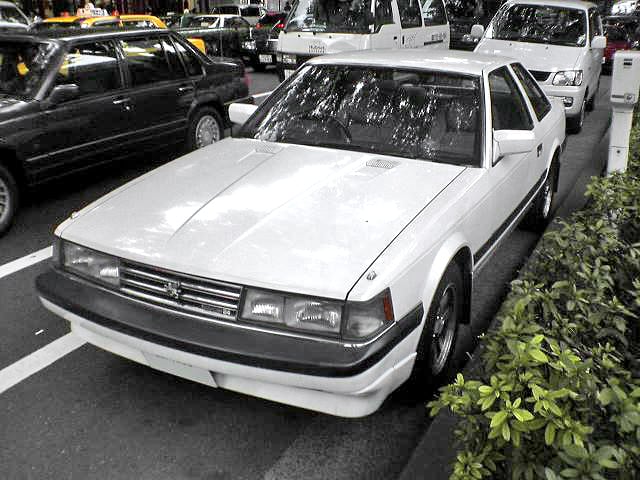
Z10 Soarer (1981-1985)
- First-gen luxury GT coupe
- Inline-6 focus; smooth cruiser
- Analog-era simplicity vs later cars
- Rising nostalgia; limited export awareness
Z20 Soarer (1986-1991)
- Bubble-era flagship coupe
- 1G/7M/1JZ options by year/trim
- Digital dash/EMV tech on higher trims
- Strong period styling; grand touring bias
Z30 Soarer (1991-2000)
- Most famous gen; tech-heavy interior
- 1JZ-GTE twin-turbo (JZZ30) icon
- 1UZ-FE V8 (UZZ31/32) refinement
- EMV, climate, traction systems add risk
Z40 Soarer (Lexus SC) (2001-2005)
- Convertible-only in Japan (SC430)
- 3UZ-FE V8; luxury cruiser
- Less tuner appeal; more lifestyle GT
- Values tied to condition and service history
Market Data
Production Numbers & Rarity
| Generation | Years | Total Built | Notes |
|---|---|---|---|
| Z10 (1st gen) | 1981-1985 | estimated: ~100,000-150,000 | Exact by-grade totals not publicly consolidated |
| Z20 (2nd gen) | 1986-1991 | estimated: ~250,000-350,000 | High-volume Japan luxury coupe era; est. |
| Z30 (3rd gen) | 1991-2000 | estimated: ~300,000-450,000 | Longest run; includes JZ/V8 and Aerocabin |
| Z40 (4th gen) | 2001-2005 | estimated: ~30,000-60,000 | Japan Soarer volume lower; SC430 related |
Rarest variant: Z30 Aerocabin
How It Compares
Among the JDM grand tourers of the 90s, the Soarer is the most luxurious, the Supra is the most focused sports car, and the Skyline is the most capable handler. The table below leans toward where the Soarer actually wins, on cabin tech, comfort, and the V8 option that the Supra and Skyline never got.
| Feature | Z30 | Nissan Silvia S14 | Mazda RX-7 FD3S |
|---|---|---|---|
| Era/segment | Luxury GT coupe (JDM) | GT sports coupe | Rotary sports coupe |
| Turbo power (stock) | 1JZ-GTE ~280 PS | SR20DET ~220 PS | 13B-REW ~280 PS |
| Weight/feel | Heavier; GT-biased | Lighter; agile | Light; sharp |
| Reliability baseline | Strong if unmodified | Good; drift wear common | More upkeep-sensitive |
| Luxury/tech | High; EMV options | Low-moderate | Moderate |
| Closest Toyota rival | Soarer JZZ30 | 2JZ-GTE icon | 1JZ/2JZ sedan/coupe |
| Market pricing | Lower than A80 | Higher; halo tax | Similar or lower |
| Chassis intent | GT/luxury | Sports/track | Practical performance |
| Manual availability | Rare; many auto | More common | More common |
| V8 alternative | 1UZ-FE (UZZ31/32) | VH45DE V8 | JZ I6 turbo option |
| Touring comfort | High; quiet cabin | Very high; sedan-lux | High; coupe GT |
| Aftermarket support | Excellent (JZ cars) | Good; niche | Moderate |
| US cousin | Soarer Z30 | Luxury coupe | GT coupe |
| Engine choices | 1JZ-GTE / 1UZ-FE | 2JZ-GE / 1UZ-FE | VG30DETT V6 |
| Parts availability | Good mech; trim harder | Better in US | Good; aging plastics |
| Driving character | Smooth GT, stable | Similar; more US spec | Sportier, tighter |
Comparable Alternatives
If the Soarer isn't quite the right car, the natural alternatives are the JZA80 Supra if you want a proper sports car with the same 2JZ-GTE drivetrain, or the Nissan Skyline GT-R if you want all-wheel drive and a more focused chassis. The Lexus SC300 and SC400 are the same car as the Z30 with US specs and easier parts.
Lexus SC300/SC400
US-market Z30 cousin; easier parts/registration
Toyota Supra JZA80
More sports-focused JZ halo car; higher buy-in
Nissan 300ZX Z32
90s GT rival; twin-turbo option; more sporty feel
Mazda RX-7 FD3S
Similar era icon; lighter, sharper; higher rotary upkeep
Nissan Silvia S14/S15
Cheaper RWD turbo path; less luxury, more drift heritage
In Pictures
The Buyer's Read
If you're buying a Soarer, the safest place to start is a documented JZZ30 1JZ-GTE Twin Turbo, ideally a later 1996 to 2000 car with the 5-speed manual still in place. That gives you the legendary 1JZ-GTE with the parts ecosystem of the JZA80 Supra, a chassis Toyota refined for nine years, and enough age on the electronics that any failures have already happened and been fixed. Skip anything under $10,000 unless you can see the timing belt history. A cheap Soarer almost always means the EMV touchscreen is dead, the digital dash has missing segments, and the previous owner gave up on the air suspension.
If you want the smooth cruiser version of the Soarer, look at the UZS131 4.0GT with the 1UZ-FE V8. It doesn't have the tuning ceiling of the 1JZ, but it's just as reliable and the cabin is one of the quietest luxury coupes Toyota ever built. Watch out for UZZ31 and UZZ32 cars with the air suspension or the active suspension. When those systems work they're brilliant, but rebuilding them costs more than the car is worth on a budget purchase.
The Z10 and Z20 Soarers are getting cheaper to import because the 25-year rule opened them up years ago, but they're a different ownership experience. The early digital dashes, touch climate controls, and audible warning systems were the showcase tech of 1981, and 45 years later they are the parts hunt. If you find a clean low mileage Z10 2800GT-EXTRA or a Z20 with the 7M-GTEU running properly, that's a legitimately rare find. The Z40 is the easiest Soarer to own because it's basically a Lexus SC430. It also has the least enthusiast appeal, no manual gearbox, and no JZ engine. If you want a Soarer for the badge and the lifestyle, the Z40 makes sense. If you want one for the driving, look at a JZZ30 instead.
Frequently Asked Questions
- Which Soarer is most desirable for enthusiasts?
- The JZZ30 1JZ-GTE twin-turbo leads for tuning and support; clean, stock cars bring the premium.
- Are Soarers basically the same as Lexus SC models?
- Z30 is closely related, but JDM Soarer can have 1JZ-GTE and more JDM-specific tech/trim than US SC.
- What are the biggest ownership risks?
- Electronics (EMV/climate/modules), neglected maintenance, and prior mods. Buy the best wiring and service history.
- Is a manual Soarer worth more?
- Factory manual cars are rare and can command more, but manual swaps may reduce collector value vs stock.
- What should I check before buying a Z30?
- Verify EMV/climate, ABS/TRAC lights, turbo smoke, cooling system, and suspension bushings; inspect for rust.
- How do prices compare to a Supra or Chaser?
- Soarer is typically cheaper than JZA80 Supra and often similar to JZX100 Chaser, depending on condition.
- Are V8 Soarers good buys?
- Yes—1UZ-FE cars are smooth and durable, but budget for timing belt service and aging suspension/trim parts.
- When are Soarers US-legal under the 25-year rule?
- By build year: 1991=2016 through 2000=2025 for Z30; confirm month/year on the chassis plate.
Sources & References
- Toyota Soarer — encyclopedic overview (Z10, Z20, Z30, Z40 chassis history) — WikipediaVerified
- Toyota Soarer Z10/Z20/Z30 development history — Ate Up With MotorVerified
- Lexus SC — encyclopedic overview (Z30 / Z40 export-market sister car) — WikipediaVerified
- Toyota JZ engine family — 1JZ-GE / 1JZ-GTE / 2JZ-GE / 2JZ-GTE technical reference — WikipediaVerified
- Classic.com Toyota Soarer market and sales comp data — Classic.comVerified
- Classic.com Lexus SC market and sales comp data (Z30 / Z40 export-market sister car) — Classic.comVerified
Sources last verified: