The WP source identifies the JB23 as the right Jimny to buy: "the third-gen Jimny is the best model year to buy if you are looking to buy a Suzuki Jimny." The reasoning is structural — coil springs ride better than leafs, the K6A turbo holds 64 PS reliably at the kei ceiling, and 20 years of revisions (the JB23 went through 10 official revision types) means parts availability is the best of any Jimny generation. Manual transmissions hold value better than the 4-speed automatic. For US buyers, JB23 cars from 1998, 1999 and 2000 are now eligible under the 25-year rule; the rest of the production run becomes eligible year by year through 2043.
Buyer's guide
Suzuki Jimny JB23 — Buyer's Guide & Specs
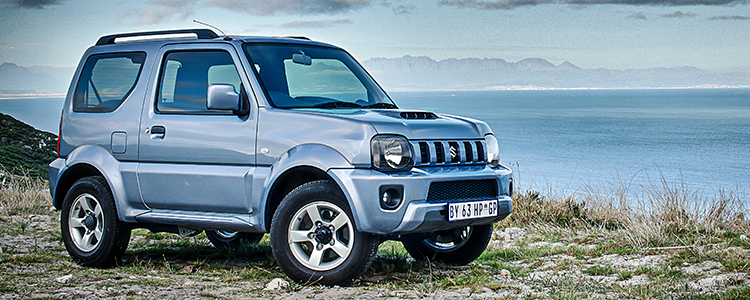
The JB23 launched October 1998 as the third-generation Jimny kei variant and ran continuously until June 2018 — a 20-year production run that produced the largest used-Jimny inventory in Japan and, by extension, the largest pool of import candidates for the global enthusiast market. Coil springs replaced leaf springs at all four corners, a 660 cc K6A turbo (DOHC, capped at the kei 64 PS ceiling) replaced the older F6A, and a dual-ratio transfer case retained the part-time 4WD that has defined every Jimny since 1970.
Looking to buy?
Browse Suzuki Jimny listings →
Key Takeaways
The Jimny has been in continuous kei 4x4 production since April 1970, which makes it the longest-running small off-roader ever built. The LJ10 started it with a 359 cc air-cooled two-stroke. The SJ413 brought the Jimny to the United States as the Samurai from 1985 through 1995. The JB23 launched in October 1998 and ran for 20 years, and that's the Jimny most people are importing today. The JB64 and the wider JB74 Sierra arrived in July 2018 and they're still building them.
- Body-on-frame 4x4 in a tiny footprint
- Rust and prior off-road use drive pricing most
- Kei turbo JB23 is the common import sweet spot
- JB64/JB74 demand is high where sold new
- Stock examples outperform lifted/modified trucks
- US 25-year rule boosts interest each year
Technical Specifications
Every kei Jimny stays under the 660 cc and 64 PS ceiling Japan set for the kei class. The LJ10 was 359 cc, the LJ80 jumped to 797 cc for export, and from the JB23 onward the kei engines are 660 cc turbos at the 64 PS cap. The wide-body cars sold outside Japan run bigger engines, like the 1.3 L G13A in the SJ413 Samurai and the 1.5 L K15B in the JB74 Sierra at 102 PS. The chassis itself hasn't changed much. Ladder frame, solid axles, part-time 4WD with low range, all the way through.
Engine Options
| Engine | Displacement | Power | Boost | Notes |
|---|---|---|---|---|
| K6A | 0.66L | 64 PS @ 6500rpm | estimated | DOHC turbo kei; VVT by revision |
Transmission Options
| Type | Ratios | Availability | Notes |
|---|---|---|---|
| 4-speed Manual | estimated | LJ/SJ early models | Early kei/off-road spec; market dependent |
| 5-speed Manual | estimated | SJ413, JA/JB series (varies) | Common Jimny MT; ratios vary by model |
| 3-speed Automatic | estimated | Some JB23/JB43 markets | Aisin 3AT in select markets/years |
| 4-speed Automatic | estimated | JB23/JB43/JB64/JB74/JC74 (varies) | Aisin 4AT; market/year dependent |
Livability
- Headroom
- 39.0"
- Upright seating; tall drivers fit but narrow cabin
- Rear Seats
- Tight
- Short trips only; limited legroom; best for kids
- Cargo
- 12-30 cu ft
- Tiny with seats up; usable with seats folded flat
Variants & Trims
Every Jimny generation ships in two flavors. There's a kei version built to Japan's 660 cc tax bracket, and there's a wide-body export version with a bigger engine. The kei cars get names like JB23 and JB64. The wide-body cars get names like SJ413 Samurai, JB43, and JB74 Sierra. Same chassis underneath. Different engine, wider fenders, different tax bracket.
| Generation | Trim | Engine | Key Features |
|---|---|---|---|
| JB23 (3rd gen, Jimny 660) | JB23W (kei, Japan) | K6A 0.66L Turbo I3 | Part-time 4WD, coil springs, turbo kei, 3-door |
Should You Buy a Suzuki Jimny JB23?
The Jimny is honest about what it is. It's a body-on-frame 4x4 with solid axles and low range, and Suzuki never tried to make it pretend to be anything else. The pros are real off-road ability and a curb weight under 1,100 kg that lets it go where heavier trucks get stuck. The cons are everything you give up to get there. It's slow, it's noisy on the highway, and the kei engines are working hard from the moment you start moving.
Why You'll Love It
- True 4x4 hardware Ladder frame, low range, solid axles deliver real trail ability beyond most crossovers.
- Compact size advantage Fits tight trails and cities; easy to store, maneuver, and transport compared with larger 4x4s.
- Strong global demand Cult following supports resale; clean, stock trucks often sell quickly at a premium.
- Simple, serviceable design Older gens are mechanically straightforward; many jobs are DIY-friendly with basic tools.
- Huge aftermarket support Suspension, armor, gearing, lockers, and recovery gear widely available for SJ/JB platforms.
- Kei tax/size benefits abroad JB23 kei models can be cheaper to run in Japan; plentiful supply helps parts availability.
- Character and usability Practical boxy cabin, good visibility, and iconic styling; great as a second vehicle/adventure rig.
Why You Might Not
- Rust is the #1 killer Frames, sills, floors, and mounts rust; repairs can exceed vehicle value on cheap examples.
- Slow highway performance Short wheelbase, gearing, and modest power make sustained high-speed driving tiring and noisy.
- Short wheelbase dynamics Can feel twitchy in crosswinds; lifted setups worsen stability and braking performance.
- Modified trucks are risky Big lifts/tires stress axles and steering; poor installs cause wobble, wear, and driveline vibes.
- Parts sourcing varies JDM-specific trims can require import parts; lead times and costs vary by region.
- Crash repair quality varies Imports may have hidden repairs; inspect chassis alignment, paint depth, and underbody seams.
- Safety/comfort are basic Older gens lack modern crash protection and refinement; expect noise, vibration, and firm ride.
Who Should NOT Buy This
- Anyone expecting quiet, stable highway cruising
- Drivers doing 75+ mph daily commutes
- People who hate steering wander and body roll
- Buyers needing real rear-seat adult space
- Families needing crash safety like modern SUVs
- Anyone unwilling to chase rust aggressively
- Buyers without a trusted 4x4/rust repair shop
- People who won't maintain diffs/TC after water use
- Those wanting strong acceleration or easy passing
- Owners who won't tolerate frequent small repairs
- People in salt states without indoor storage
- Anyone needing high towing capacity
- Drivers sensitive to vibration from lifts/MT tires
- Buyers wanting cheap OEM parts everywhere
- People needing modern infotainment and insulation
- Anyone who can't inspect import/title legality
- Those who plan big tires without budget for fixes
- People expecting car-like handling and braking
- Owners who won't do preventative cooling work
- Anyone needing lots of cargo with seats in use
Common Issues & Solutions
The Jimny is a tough little truck mechanically. Most of the trouble comes from age and the way owners use them, not the engineering. Death wobble is the one issue you'll hear about, and it's a front-axle wear problem. Rod bushes, kingpin bearings, and tie rod ends all wear together. Replace them as a set or the wobble comes back. Rust on the ladder frame is the other thing to watch, especially on the earlier LJ and SJ cars.
| Issue | Cause | Solution | Est. Cost |
|---|---|---|---|
| Frame rust perforation | Salt exposure; trapped mud inside rails | Probe/repair sections; internal wax; avoid undercoat | $1500-6000 |
| Rear crossmember rot | Mud/salt packs behind bumper and tank area | Replace/repair crossmember; treat and cavity wax | $800-2500 |
| Body mount/outrigger rust | Water traps at mounts; poor drainage | Cut/weld mounts; replace bushings; rust proof | $1200-4000 |
| Front knuckle oil leak | Worn wiper seals; inner axle seal failure | Knuckle rebuild: seals, bearings, grease, shims | $450-1200 |
| Death wobble/shimmy | Kingpin bearings, tie rods, caster off, tires | Rebuild knuckles; align; add caster correction | $400-1800 |
| Wheel bearing failure | Water ingress; incorrect preload; old grease | Replace bearings/seals; set preload correctly | $300-900 |
| Bent front axle housing | Hard impacts off-road; oversized tires | Replace/straighten housing; align; check knuckles | $800-2500 |
| Propshaft U-joint clunk | Dry joints; lifted angles; mud contamination | Replace U-joints or shaft; correct driveline angles | $200-900 |
| Transfer case whine | Worn bearings/gears; low oil; abuse in 4L | Rebuild transfer case; replace bearings/seals | $900-2500 |
| 4WD won't engage | Vacuum/actuator issues or stuck freewheel hubs | Diagnose lines/solenoids; service hubs/actuator | $150-900 |
| Manual synchro grind | Worn 2nd/3rd synchros; wrong oil; hard shifting | Rebuild gearbox; correct oil; replace clutch if needed | $1200-3500 |
| Clutch slip/chatter | Worn disc; oil contamination; weak pressure plate | Clutch kit; resurface flywheel; fix leaks | $700-1600 |
| Overheating | Radiator clog/crack; fan clutch; thermostat | Replace rad/thermostat; verify fan; flush properly | $350-1200 |
| Head gasket failure | Repeated overheating; old coolant; warped head | Machine head; gasket set; new bolts; cooling refresh | $1200-2800 |
| Timing chain rattle | Worn chain/guides/tensioner; poor oil changes | Replace chain set and tensioner; inspect oil pump | $700-1800 |
| Oil leaks (common) | Aged seals/gaskets; crankcase pressure | Reseal VC/front/rear; address PCV/breather | $200-1500 |
| Rough idle/hunting | Dirty IAC; vacuum leaks; TPS wear | Clean IAC/throttle; smoke test; replace TPS | $150-600 |
| Fuel filler neck rust | Road salt; trapped debris behind filler area | Replace neck/hoses; inspect tank straps and vent lines | $250-900 |
| Brake line corrosion | Rust at frame clips/unions; old fluid | Replace hard lines; flush fluid; protect routing | $400-1400 |
| Caliper slide seizure | Dry pins/boots torn; winter corrosion | Service/replace calipers; new pads/rotors as needed | $250-900 |
| Weak handbrake | Stretched cable; drum out of adjustment; seized lever | Adjust drums; replace cables; clean/replace hardware | $150-600 |
| Steering box play/leak | Wear from big tires; low fluid; seal aging | Adjust box; reseal or replace; check frame cracks | $300-1500 |
| Panhard bracket cracks | Lifted suspension; off-road impacts; poor welds | Weld/plate bracket; correct geometry; inspect both ends | $200-900 |
| Suspension bushing wear | Age; oil contamination; lift stress | Replace arm bushes; align; consider quality rubber | $300-1200 |
| Driveline vibration (lift) | Bad pinion angle; worn joints; no caster correction | Correct angles; double-cardan shaft; caster correction | $300-1800 |
| Water ingress in diffs | Low breathers; hot diffs submerged; clogged vents | Extend breathers; change oils; replace seals if milky | $120-800 |
| Heater core leak | Corrosion from old coolant; electrolysis | Replace heater core; flush; new coolant; check grounds | $600-1400 |
| A/C weak or inop | Leaks at O-rings; tired compressor; condenser damage | Leak test; replace failed parts; evac/recharge | $250-1500 |
| Alternator failure | Heat, mud/water exposure; worn bearings/diodes | Replace alternator; clean grounds; belt/tension check | $250-700 |
| Starter hot soak | Worn starter; heat shielding missing; cable corrosion | Replace starter; refresh cables/grounds; add shield | $200-600 |
| Exhaust manifold crack | Heat cycling; thin castings; broken studs | Replace manifold; extract studs; new gasket/hardware | $300-1200 |
| Catalyst/O2 issues | Oil burning; rich running; age-related sensor slow | Fix oil/mixture; replace O2/cat as needed | $200-1800 |
| Window regulator failure | Dry tracks; worn motor; water in doors | Service tracks; replace regulator/motor; reseal vapor | $150-500 |
| Tailgate hinge sag | Heavy spare/bumper; rusted hinge pins | Replace hinges; reinforce carrier; adjust latch | $150-700 |
| Softtop/hardtop leaks | Aged seals; warped top; clogged drains | Replace seals; adjust latches; clear drains | $100-900 |
Differences between JDM & USDM
The Jimny had a brief official US run as the Suzuki Samurai (SJ413 chassis) from 1985 model year through 1995 — the only Jimny generation ever federalised for North America. The Samurai sold strongly until a 1988 Consumer Reports rollover report damaged demand and Suzuki withdrew the model from the US in 1995. Every subsequent Jimny generation — JA11/JA12/JA22 (1990–1998 kei), JB23 (1998–2018 kei), JB32/JB33/JB43 (1998–2018 wide), JB64/JB74 (2018–present) — was never sold new in the United States. They reach US owners exclusively through the 25-year import rule, which means JB23 cars from 1998–2000 are eligible now, JB43 cars from 1998–2000 are eligible now, and the 2018-onwards JB64/JB74 generation does not become US-legal until 2043. Canada's 15-year rule opens the JB64/JB74 earlier (2033) and already permits all JB23/JB43 cars. The Samurai itself is open-import in all 50 US states and has been since new.
Pre-Purchase Inspection Checklist
Walk this list with the seller, not in front of them. The death wobble check is the first thing to do. Drive it at 40 to 50 mph and lift off. If the front end shakes, you're buying a front axle rebuild on top of the purchase price. The Critical items mean walking away if there's no paperwork. The High items can be priced into the deal.
Critical Priority
- Frame Rust Inspect frame rails for scaling, holes, patch welds
- Rear Crossmember Tap rear crossmember; check for soft spots/repairs
- Cooling System Check rad end tanks, cap, hoses; overheating signs
- Brake Lines Inspect hard lines on frame; rust at clips/unions
- VIN/Import Docs Confirm legal import/title; match VIN plates/stamps
High Priority
- Body Mounts Check body mounts for rust, cracks, crushed bushings
- Sills/Rockers Check rockers for bubbling, filler, seam rust
- Floor Pans Lift mats; check floor rust, wetness, patch panels
- Front Chassis Horns Inspect front horns for bends, tow damage, rust
- Rear Shock Mounts Check shock mounts for rust cracks and oval holes
- Coil Spring Seats Inspect spring perches for rust-through and cracks
- Panhard Mounts Check panhard brackets for cracks and weld repairs
- Trailing Arm Mounts Inspect arm brackets for cracks, bent mounts, rust
- Front Axle Housing Check axle tube bends; compare camber side-to-side
- Steering Box Area Inspect frame near box for cracks and elongation
- Front Knuckle Seals Look for gear oil on knuckles; wiper seal leaks
- Wheel Bearings Check play/noise; spin wheels; feel roughness
- Kingpin Bearings Check death wobble; inspect kingpin preload/shims
- Propshaft U-joints Check U-joint play; clunk on takeoff; rusted caps
- Transfer Case Shift 2H/4H/4L; listen for chain/gear whine
- 4WD Engagement Confirm 4H pulls; 4L reduction works; no popping
- Diff Breathers Check breathers not clogged; signs of water ingress
- Gearbox Syncros Test 2nd/3rd crunch cold; downshift feel at speed
- Clutch Check slip in 4th/5th; chatter; high engagement
- Auto Trans (if) Check flare/harsh shifts; fluid color; kickdown
- Engine Cold Start Listen for timing chain rattle; lifter tick cold
- Oil Pressure Verify oil light off quickly; hot idle pressure ok
- Coolant Condition Look for rust/mud; oil sheen; low level in bottle
- Head Gasket Signs Check bubbles in rad, sweet smell, overheating history
- Compression/Blowby Check crankcase pressure; oil cap smoke at idle
- Fuel Smell/Leaks Inspect tank lines, filler neck rust, injector seep
- Air Intake Check airbox seals; snorkel installs; dusting signs
- Brakes Check caliper slide seizure; rear drums adjustment
- Steering Play Check box lash, tie rods, drag link ends, wobble
- Alignment/Tire Wear Check cupping; inside wear; bent axle clues
- Suspension Bushings Check radius/trailing arm bushes for cracks/slop
- Lift Kit Geometry Check caster correction, brake lines, driveshaft angles
- Heater Core Check sweet smell, fogging, wet carpet, poor heat
- ECU/OBD Scan Scan stored codes; check readiness; verify MIL works
- Airbags (if) Check SRS light self-test; clock spring function
- Service History Verify diff/TC oils, coolant, brake fluid intervals
- Off-road Abuse Check skid dents, bent links, rock rash, mud packing
Medium Priority
- Front Hubs Test freewheel hubs engage; check dial stiffness
- CV/Front Shafts Check clicking on full lock; torn boots/leaks
- Diff Oil Leaks Check pinion seals and axle seals for wetness
- Oil Leaks Check valve cover, front seal, rear main, sump
- Idle Quality Check hunting idle; IAC sticking; vacuum leaks
- Throttle Response Check hesitation; TPS dead spots; cable slack
- Exhaust/Manifold Check cracked manifold, broken studs, exhaust leaks
- O2/CAT (if) Scan for codes; check cat rattle; O2 slow response
- Handbrake Check holds on hill; cable seized; lever travel
- Shocks/Springs Check leaks, sag, broken coils, lift kit quality
- Wheels/Studs Check stripped studs, spacer use, cracked alloys
- Windshield/Seals Check leaks at screen seal; rust at top corners
- Tailgate Check spare carrier cracks; tailgate rust at seams
- Hardtop/Softtop Check leaks, cracks, missing seals, latch function
- A/C System Check compressor noise, cold vent temp, leaks
- Charging System Check alternator output; belt squeal; battery age
- Starter Check slow crank hot; solenoid click; cable corrosion
- ABS (if equipped) Check ABS light; wheel speed sensor wiring damage
- Interior Water Leaks Check damp under seats; rear quarter leak trails
Low Priority
- Door Hinges Check sag; hinge rust; door check strap damage
- Wiper/Washer Check wiper motor speed; washer pump and jets
Generation History
LJ/SJ (1st gen) (1970-1981)
- LJ10/20/50/80 early lightweight 4x4
- Leaf springs, simple carb engines
- Iconic mini-4x4; rust is common
- Collector niche; parts vary by market
SJ410/SJ413 (2nd gen) (1981-1998)
- Wider global sales; Samurai in US
- Leaf springs; strong aftermarket
- 1.0/1.3 NA; simple, durable driveline
- Rust and frame condition are key
JA11/JA12/JA22 (kei) (1990-1998)
- Japan kei variants; compact and light
- Turbo kei engines in later trims
- Leaf spring era; very mod-friendly
- Good originals are getting scarce
JB23 (kei, coil) (1998-2018)
- Coil springs; better ride/articulation
- K6A 660cc turbo; huge Japan supply
- Common import target; watch rust/repairs
- Auto exists; manuals hold value better
JB33/JB43 (wide, coil) (1998-2018)
- 1.3L wide-body for export markets
- More torque than kei; better highway
- Often better equipped; still slow by US norms
- Rust and crash repairs affect value
JB64/JB74 (4th gen) (2018-present)
- Modern safety; still ladder frame
- JB64 660T, JB74 1.5 NA (Jimny Sierra)
- High demand; long waitlists in some markets
- Not US-legal yet under 25-year rule
Market Data
Production Numbers & Rarity
| Generation | Years | Total Built | Notes |
|---|---|---|---|
| LJ series (LJ10/LJ20/LJ50/LJ80) | 1970-1981 | estimated | Exact global totals vary by source |
| SJ series (SJ10/SJ20/SJ30/SJ410/SJ413) | 1981-1998 | estimated | Includes Samurai exports; totals not unified |
| JA/JB (3rd gen Jimny family: JA11-22, JB23/32/33/43) | 1990-2018 | estimated | JB23/JB43 long run; many market builds |
| JB64/JB74 (4th gen 3-door) | 2018-present | estimated | High demand; production split by plant/market |
| JC74 (4th gen 5-door) | 2023-present | estimated | India-built; totals still emerging |
Original MSRP & Pricing
Original MSRP: $5,000 at launch in 2022. WP source cites typical JDM dealership prices around $5,000 for a Jimny in 2022; locally used Samurai units often listed under $3,000. Original Suzuki Samurai launch MSRP in the United States was approximately $6,200 (1985 base) — not the JDM figure. Treat this as a market-anchored 'typical asking' rather than a factory launch price; JDM launch MSRPs for kei Jimnys were set in yen and varied by trim grade.
How It Compares
Among small 4x4s, the Jimny is the lightest, the cheapest to run, and the easiest to fit on a Japanese trail. The Wrangler is faster and easier to live with on the highway but it's twice the weight. The Land Rover Defender ended UK production in 2016 after 67 years, and the Jimny outlasted it. That's the comparison overlanders keep coming back to. The Jimny survived by staying small.
| Feature | JB23 | Suzuki Escudo/Vitara 1st | Daihatsu Terios Kid |
|---|---|---|---|
| Chassis/4x4 type | Ladder frame, 2H/4H/4L | Unibody, AWD (no low range) | Ladder frame, 4H/4L |
| Axles/suspension | Solid axles; coils on JB23+ | IFS/IRS (most trims) | Solid axles; coils |
| Engine (common JDM) | 660cc turbo (JB23 K6A) | 660cc turbo | 660cc turbo |
| Engine (wide models) | 1.3 NA (JB43) / 1.5 NA (JB74) | 1.6 NA (typical) | 2.4 NA (typical) |
| Highway comfort | Noisy, short wheelbase | More stable, quieter | More stable, heavier |
| Off-road agility | Excellent; tiny footprint | Good but larger | Good; slightly larger |
| Running costs | Low; simple, light | Moderate; more complex | Higher; heavier drivetrain |
| Reliability baseline | Strong if stock/maintained | Strong; parts easy | Good; watch cooling/rust |
| Aftermarket support | Huge (SJ/JB platforms) | Large (global) | Moderate |
| Cargo/space | Limited; 2+2 tight | Better rear space | Better cargo volume |
| Collector upside | Rising; clean stock wins | Stable; less cult | Strong; iconic but pricier |
Comparable Alternatives
If the Jimny doesn't end up being the right truck, the natural alternatives depend on what you actually want to do with it. The Suzuki Escudo is bigger and more usable on the highway. The Toyota Land Cruiser 70 series is the grown-up version of the same idea. A Jeep Wrangler is the closest American equivalent, but you're giving up the kei advantages and adding weight.
Mitsubishi Pajero Mini
Kei 4x4 rival; similar size; often cheaper
Daihatsu Terios Kid
Kei ladder-frame 4x4; practical and capable
Suzuki Vitara 1st gen
Bigger, more road-friendly; still real 4x4
Jeep Wrangler TJ
More power and parts; higher costs but iconic
Toyota Land Cruiser Prado 90
More comfort and space; strong 4x4 resale
In Pictures
The Buyer's Read
If you're buying a Jimny, the safest place to start is a documented JB23 manual built between 1998 and 2000. Those cars are US-legal under the 25-year rule right now, the K6A turbo is the most refined kei engine Suzuki ever put in a Jimny, and the coil-spring suspension rides better than the older leaf-sprung JA cars. Look for one with the timing chain history sorted and no death wobble on a test drive. Skip anything with rust on the ladder frame. You can fix a tired engine. You can't easily fix a rusty frame on a 25-year-old body-on-frame truck.
If you want a Jimny you can drive on US roads tomorrow without an import broker, the answer is an SJ413 Suzuki Samurai. It's the only Jimny ever officially sold new in the United States, 1985 through 1995, and it's open-import in all 50 states. The aftermarket is the deepest of any Jimny generation in North America. Clean stock Samurais sell for $8,000 to $18,000 on Bring a Trailer, and you can find rougher project trucks for half that. The 1.3 L G13A is slow but it's reliable, and the same death-wobble warning applies. Rod bushes, kingpin bearings, tie rod ends. Replace all three together.
The Jimny to avoid is a rough LJ10 or LJ20 without service records. Those are 50-plus-year-old cars now. The two-stroke engines aren't supported by parts inventories the way the later 660 cc fours are, the frames rust through, and the body panels are getting hard to find. Clean LJ-series cars trade at collector prices well above the WP source's $5,000 baseline. If you want one to drive, find a documented survivor. If you want one to project on, know that you're signing up for a parts hunt, not a weekend rebuild.
The newest generation JB64 and JB74 Sierra are not US-legal until 2043. Canada's 15-year rule opens them in 2033. Don't let anyone sell you a 2018-or-newer Jimny in the US under the show-or-display loophole or any other workaround. They're not legal, and the seizure risk is real.
Frequently Asked Questions
- Which Jimny is best to buy for value?
- Best value is a clean JB23 manual with service history and minimal rust; avoid heavily lifted builds.
- What are the biggest rust areas to inspect?
- Check frame rails, body mounts, sills, rear arches, floorpans, and suspension brackets for rot/patches.
- Is the 660cc turbo Jimny too slow?
- Around town it's fine; on highways it’s busy. Expect modest passing power; gearing/tires matter a lot.
- Manual or automatic—what holds value better?
- Manuals typically command a premium for off-road control and simplicity; autos can be fine if maintained.
- What mods hurt resale the most?
- Poorly done big lifts, oversized tires, cut fenders, deleted emissions, and cheap steering parts hurt value.
- What should I budget for baseline maintenance?
- Plan fluids, belts, hoses, brakes, tires, and cooling system refresh; also address any rust immediately.
- Are parts easy to get in the US?
- Wear items are manageable via importers; JDM-specific trim can take time. Stocking filters/ignition helps.
- What’s the best use case for a Jimny?
- Ideal as a city + trail second car, overland-lite, or farm runabout; not great for long high-speed commutes.
Sources & References
- Suzuki Jimny — encyclopedic overview — WikipediaVerified
- Suzuki Samurai — US-market history and rollover controversy — WikipediaVerified
- Big Jimny — Common problems overview (JA/JB-series owner reference) — Big Jimny owners' wikiVerified
- Suzuki Jimny used review — buying advice — What Car?Verified
- Suzuki Jimny auction results — sold/no-sold history — Bring a TrailerVerified
- Suzuki Samurai auction results — Bring a TrailerVerified
- Suzuki Jimny — Japanese encyclopedic overview — Wikipedia (Japanese)Verified
- Suzuki Jimny — current-generation Japanese product page — Suzuki Motor Corporation (Japan)Verified
Sources last verified: